The bitter truth: Study suggests popular sweetener may harm brain’s defenses, raising stroke risk
07/27/2026 / By Ava Grace
- Laboratory research indicates erythritol may damage the cells lining the brain’s blood vessels, potentially weakening the blood-brain barrier and increasing stroke risk.
- Exposure to erythritol caused oxidative stress in human brain endothelial cells and disrupted critical vascular regulation by reducing nitric oxide (which widens vessels) and increasing endothelin-1 (which constricts them).
- The sweetener impaired the cells’ ability to release tissue plasminogen activator, a protein that helps dissolve blood clots, potentially leaving the brain more vulnerable to blockages.
- These lab findings provide a possible biological mechanism for earlier large-scale studies that linked high blood erythritol levels to an increased risk of heart attack and stroke.
- While the study raises significant concerns, it was conducted on isolated cells, not whole organisms. Regulators still deem erythritol safe, but researchers urge moderation and call for further studies to determine safe consumption levels.
In a finding that challenges the perceived safety of a ubiquitous sugar substitute, new laboratory research suggests that erythritol—a zero-calorie sweetener championed in “keto” and “sugar-free” products—may damage the critical cells that protect the brain, potentially increasing the risk of stroke. The study, from researchers at the University of Colorado Boulder and resurfacing in scientific discourse, adds a troubling layer to ongoing concerns about sugar alternatives and underscores the complex trade-offs in the modern quest for healthier eating.
A silent assault on the brain’s gatekeeper
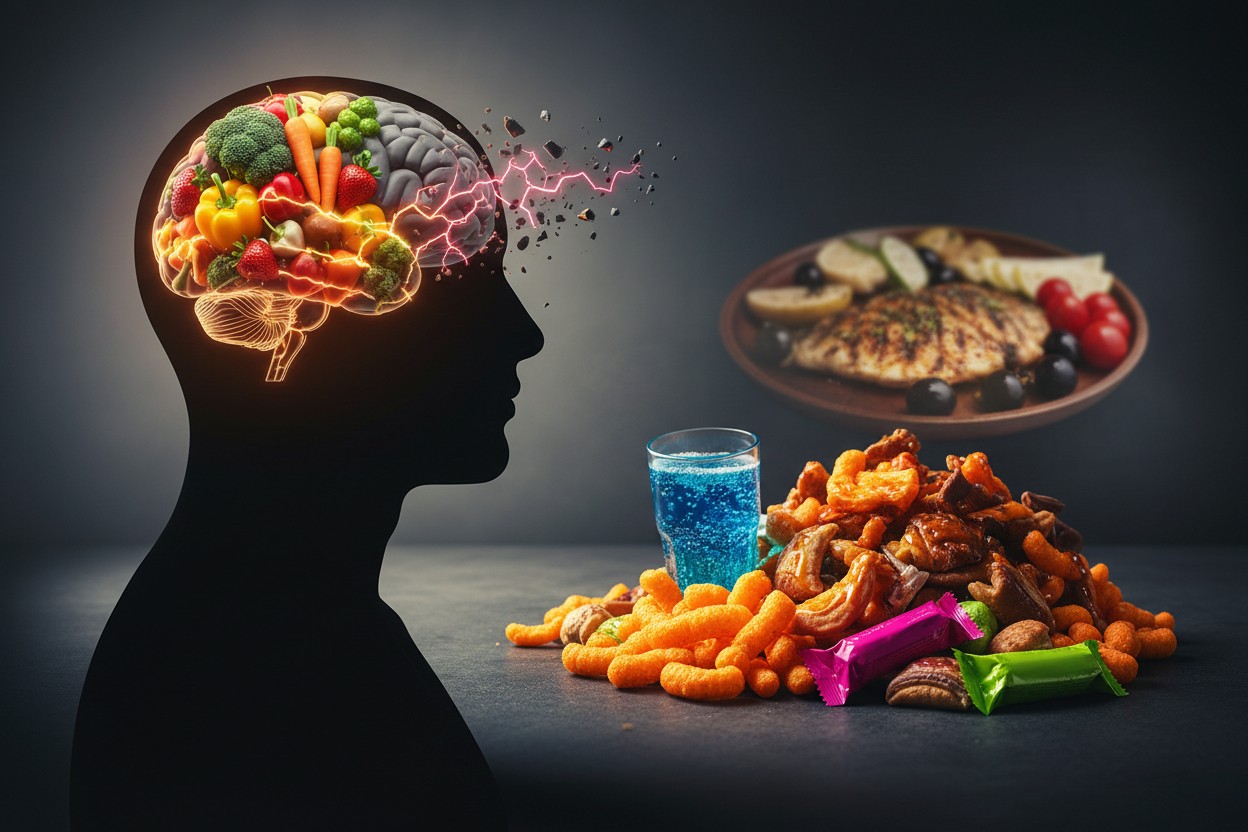
For decades, consumers have turned to artificial sweeteners to satisfy sweet cravings without the calories or blood sugar spikes of real sugar. Erythritol, a sugar alcohol found naturally in some fruits but produced industrially for mass use, rose to prominence as a “natural-tasting” option. It fills shelves in products from diet sodas and sugar-free energy drinks to protein bars and low-carb ice cream. However, this research posits that the compound might be undermining the blood-brain barrier, the sophisticated cellular shield that strictly regulates what enters the brain from the bloodstream.
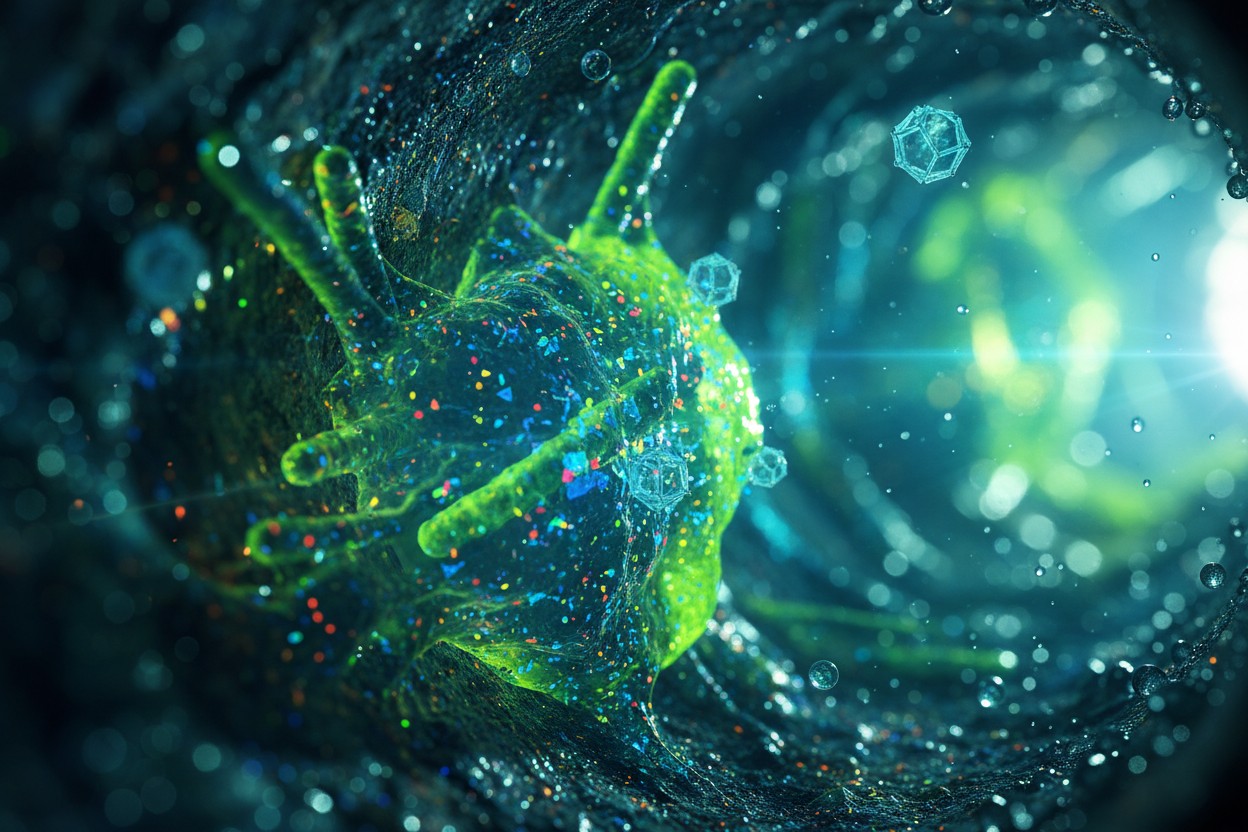
The laboratory experiment exposed human cells that form this barrier to concentrations of erythritol comparable to those found in the blood after consuming a diet drink. The results, observed in a matter of hours, were alarming. The cells showed signs of significant oxidative stress, a type of cellular corrosion caused by an imbalance of harmful molecules called free radicals. This damage impaired the cells’ basic functions and in some cases, led to cell death.
Disrupting the body’s natural balance
Beyond the direct cellular damage, the study revealed a more insidious effect. Erythritol appeared to sabotage the delicate system that controls blood vessel width and blood flow. Healthy vessels rely on a balance between two key compounds: nitric oxide, which relaxes and widens vessels and endothelin-1, which constricts them. The research found erythritol reduced nitric oxide while increasing endothelin-1, pushing the system toward dangerous constriction. This state can restrict blood flow to the brain, a primary risk factor for ischemic stroke, which is caused by a clot blocking a brain artery.
Perhaps most critically, the sweetener hobbled a vital emergency defense. The brain’s vascular cells normally release a clot-dissolving protein called tissue plasminogen activator, a natural “clot-buster” that can break up blockages before they cause a stroke. Erythritol exposure severely impaired this protective release, potentially leaving the brain more vulnerable to clotting events.
Echoes in human populations
These laboratory findings do not exist in a vacuum. They provide a potential biological mechanism for concerning patterns observed in large-scale human studies. Earlier research, including a significant 2023 study, found that people with the highest levels of erythritol in their blood were roughly twice as likely to suffer a heart attack or stroke. The new cell study offers a plausible explanation for why: erythritol may be weakening the brain’s vascular defenses at a cellular level.
The timing of this research is particularly poignant. Health officials have been baffled by a mysterious and concerning rise in strokes among younger adults, with rates increasing nearly 15 percent since 2011. While many factors are at play, the pervasive presence of sweeteners like erythritol in the diets of health-conscious young people raises urgent questions.
Navigating the limitations and the landscape
Scientists are quick to note the study’s limitations. It was conducted on isolated cells in a petri dish, not within the complex, interconnected system of a living human body. Cells may behave differently in this controlled environment. The researchers themselves call for more sophisticated follow-up studies to confirm the effects. Regulatory agencies, including the U.S. Food and Drug Administration, continue to classify erythritol as safe based on the existing body of evidence.
Nevertheless, the study forces a reevaluation of erythritol’s privileged status. Unlike purely artificial sweeteners such as aspartame, erythritol is a sugar alcohol and is even produced in tiny amounts by the human body. This has allowed it to be marketed with a “natural” halo and escape recent World Health Organization advisories against long-term non-sugar sweetener use. Its moderate sweetness, about 80 percent that of sugar, also makes it a favorite for food manufacturers seeking a realistic sugar-like taste without the overpowering sweetness of other substitutes.
A modern dietary dilemma
Sweeteners like erythritol are popular tools used by many for reducing calorie intake, managing blood sugar and supporting weight loss—all critical goals in fighting obesity and diabetes. Yet, if long-term consumption subtly compromises the integrity of the brain’s blood vessels, the metabolic benefits may come with a hidden neurological cost.
“Artificial sweeteners can disrupt the body’s natural ability to regulate calorie intake, potentially leading to increased cravings and weight gain,” said BrightU.AI‘s Enoch. “They may also negatively alter gut bacteria, which is crucial for overall health and metabolism. Furthermore, some studies suggest a link between long-term consumption of certain artificial sweeteners and an increased risk of metabolic disorders like Type 2 diabetes.”
The story of erythritol is evolving from one of a harmless sugar swap to a cautionary tale about unintended consequences.
The findings underscore a timeless, if inconvenient, nutritional truth: There is no perfect, risk-free substitute for a diet centered on whole, minimally processed foods. The pursuit of health through engineered alternatives often involves navigating a landscape of trade-offs, where the sweet taste of “free” may carry a price we are only beginning to understand.
Fruit flies die in less than a week from eating GMO-derived erythritol. Watch this video.
This video is from the Natural News channel on Brighteon.com.
Sources include:
Submit a correction >>
Tagged Under:
artificial sweetener, brain damaged, brain health, cell death, cellular corrosion, discoveries, erythritol, food science, Free radicals, grocery, health science, oxidative stress, products, research, stop eating poison, stroke, sweeteners, toxic ingredients
This article may contain statements that reflect the opinion of the author
RECENT NEWS & ARTICLES